Tampilkan postingan dengan label cold. Tampilkan semua postingan

Selasa, 13 Maret 2012

Left to Die, All Alone, in a Box...

Here's a great story that I thought I would pass on...hope you find it inspiring! –Kim

The Rescue of Wee "Star"
Written by Animal Advocates of BC, Canada
January 25, 2012
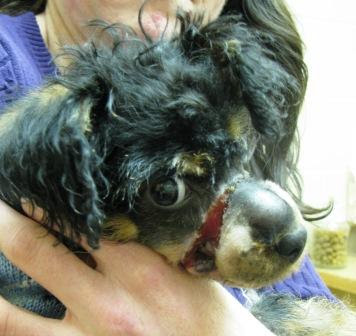
DAY ONE: Muffled sounds of distress came from the cardboard box behind the store in the Northern BC town of Prince George. It was -37 and it was only by chance that a woman heard those faint cries. What she found in the box sickened her profoundly. It was a near-frozen three-month old Yorkie pup with a rubber band around her muzzle, her tiny Yorkie nose bulbous from edema caused by the circulation being cut off by the rubber band, her lips infected and rotting. The smell from her rotting lips was nauseating. Her kind finder thought she would die, but even if the puppy could be saved, it would cost far more than she had, so she called on AAS. We said, Yes, we will pay. That is what we do.

DAY TWO: AAS's vets immediately put her on IV fluids, pain-killer and antibiotics and she was allowed to rest her exhausted little frame overnight. The vet told us that the rubber band had cut off circulation to her nose and mouth for at least several days causing the verges of her lips to die. To find out how much necrotic (dead) tissue would have to be cut away, and if she would have enough lip left to contain her teeth (which would flare out and have to be extracted without lips to exert pressure), she was sedated. There was far too much dead tissue to remove under sedation so the next day she underwent surgery.

DAY THREE: The good news is that the vets are hopeful that new skin will form, allowing surgery to draw the edges together and be sutured. On day three the vet removed all the necrotic tissue. Little Star is a real going concern, bouncing, yelping for attention and gobbling her food. AAS is paying for boarding at the vet so that the staff can keep an eye on her wounds, make sure her mouth and her whole muzzle is cleaned properly after meals, and that the tissue is massaged many times a day to encourage blood flow and tissue growth. This photo was taken after the surgery. We hope to get daily photos showing her progress so that you can see what a cheerful little mite she is (see video below).

Click here for Star's ongoing story.

Source: http://www.animalrescuechase.com/
rescue_showcase/story.php?id=724


Rabu, 29 Desember 2010

New Year's Resolutions for You and Your Dog

Here's a great article that I thought I would pass on...hope you find it interesting! –Kim

10 Suggestions for Keeping a Dog Healthy and Happy, and Strengthening the Bond

Janet Wendy Spiegel
December 28, 2010

Every year, between holiday festivities and Jan. 1, about 100 million Americans make resolutions for the new year. To help you make resolutions you can keep, here is a list of things you can do to build your relationship with your pet.

  1. Walk your dog every day for at least 20 minutes (about one mile). It'll get you in shape, leave your dog a bit tired after structured, focused exercise, and build your pooch-person bond.
  2. Take a nature hike once a month with your pup.
  3. Clip your dog's claws every few months.
  4. Brush your dog's teeth to avoid deep plaque build-up and costly vet bills.
  5. Consider training your dog as a therapy dog.
  6. Bake your own dog treats.
  7. Make sure your dog's license is current.
  8. Keep your pet's vaccinations current. (But, keep them to a minimum; don't overdo them!)
  9. Buy your dog a sweater – or knit one!
  10. Spend a lazy weekend day watching a movie and cuddling with your pup in bed.

Happy New Year!

Source: http://encino.patch.com/articles/new-years-resolutions-for-you-and-your-dog
Copyright © 2010 Patch


Minggu, 12 Desember 2010

Tips to Keep Your Pets Safe This Winter

Here's a great article that I thought I would pass on...hope you find it informative! –Kim

Cold Weather Hazards that Threaten Your Pet
Dec 10, 2010

As temperatures continue to plummet, pet owners must ensure the safety and well-being of their animals.

Shelter, food and water: Cats should be kept inside at all times, year-round, to protect from the many life-threatening dangers always present outside. Dogs should also live inside. However, if your dog spends a lot of time outside, you are required by law to provide proper shelter. Outdoor dogs also need bedding and additional fat in their diets during the winter to help build up natural insulation. Make sure your pet has plenty of fresh, clean water in a secure, non-tip dish at all times. Check the water bowl frequently to make sure that it hasn't frozen.

Keep them safe: Snow and ice increase an animal's chances of becoming disoriented and lost if roaming the streets. Bad weather conditions make it extra difficult for cars to stop, increasing the animal's chance of getting hit. Keeping pets indoors and walking your dog on a leash will prevent such tragedies.

Beware of ice, salt, and snow: Jagged ice and sidewalk salt can injure or irritate a dog's foot pads. After returning home from a walk, check the foot pads and wipe off any salt or ice with a damp towel. Also, dry your dog thoroughly whenever it comes in from the snow. Consider using doggy boots for little feet.

Danger of frostbite: Even though dogs and cats have a fur coat, most cannot endure severe cold for more than 10 to 15 minutes. A companion animal left outdoors can get frostbite and even freeze to death. Signs of frostbite include skin that is pale and cool to the touch, with decreased sensation in the affected area. If you suspect frostbite, gently warm the area with warm, not hot, water and then take the animal to a veterinarian. After thawing, there may be pain or redness on the frostbitten area. Once an area has been frozen it can become cold and frostbitten again more easily. Consider a doggy coat for your smaller canine friend.

Keep away from anti-freeze: Animals are attracted to this substance by its sweet taste. It can be fatal if ingested, so keep all anti-freeze bottles out of your pet's reach. Also be sure to clean up any spills in your garage or driveway immediately. If your cat or dog should swallow anti-freeze – or any poison – contact your veterinarian immediately.

Honk car's horn: In cold weather, cats allowed outdoors may crawl beneath cars and climb up inside the engine compartment seeking warmth and shelter. This can lead to injuries or death when the engines are started. To prevent such an occurrence, keep your cat indoors at all times. To protect stray cats, knock on your car's hood or sound your horn before starting the car in cold weather.

Keep them groomed: Animals tend to shed hair less during the cold months, but still require regular brushing. Cats generally do not need a bath – they clean themselves. Dogs should be bathed only if needed and not more than once a month. When bathing any animal, be sure to use a shampoo that is specifically safe for a cat or dog and follow label directions completely.

Holiday hazards: Mistletoe, holly and poinsettias are all poisonous to pets. Make sure your holiday tree is steady so it can't be knocked over. Protect your cat or dog from drinking stagnant Christmas tree water, eating candy, chocolate or potentially injurious ornaments, tinsel and trimming, or nibbling on the cords from decorations. Keep an eye on your pets to make sure they don't slip out the door as your visitors come and go. Do not give a cat or dog as a gift. Give a gift certificate for a pet adoption from a shelter and allow the recipient to select an animal that is appropriate for their lifestyle. Make sure your pet has a variety of toys or make your own.

Source: http://couriernews.suntimes.com/news/2767099-417/dog-animal-cat-cats-cold.html
© Copyright 2010 Sun-Times Media, LLC


Also, see:

Minggu, 04 Oktober 2009

Treating Paw Pad Injuries

Here's a great article that I thought I would pass on...hope you find it interesting! –Kim

Give Your Dog's Paw Pads Some Thought

If you've never given your dog's paw pads much thought, you should! Pads are the thick, spongy, rubbery part of your dog's paw. Dogs rely on their paw pads to absorb shock, make traction with the surface on which they're walking (or running, sliding, slipping, etc.), insulate their paws from extreme temperatures, and to protect them from whatever is underfoot. Watch your dog's paws when you take him out for a walk or a play session, and you'll realize how much punishment his pads take on a daily basis.

With ground contact occurring every step of a dog's life, paw pads must be a tough and resilient part of his body. But, tough as they are, paw pads are not made of armor. That's why it's not uncommon for vets to find dogs with paw pad injuries coming into the doctor's office for emergency care.

Typical paw pad injuries

Common paw pad injuries include lacerations, punctures and abrasions. If a dog steps on glass or other sharp objects, even the toughest paw pad can get cut. Paw pads can also be injured by extreme temperatures, and it's not unknown for dogs to experience burned paw pads on very hot days or frostbite on very cold days. In addition, paw pads can be hurt by chemical spills on the ground.

How to tell if your dog has a paw pad injury

If you've personally seen your dog step into a chemical or tread on glass or an extremely hot surface, you'll probably know almost immediately if he has injured his paw pads. However, injuries may not always be witnessed firsthand, and sometimes the symptoms occur a short time after the actual injury taken place.

Symptoms of paw pad injuries include bleeding, limping, excessive licking of the pad, discoloration, and reluctance on your dog's part to put weight on his paw.

What to do if your dog injures a paw pad

Treatment depends on the type of injury sustained. Here are a few first aid tips:

Cleaning the wound – First, determine if there is any debris, such as glass, in the wound. If there is, remove it. Washing the injured paw is a good idea, if clean water is available. Swishing the paw in the water could help to dislodge any small pieces of debris that might still be in the injury.

Stop the bleeding – Once the paw has been cleaned, apply pressure on the paw pad with a bandage or other clean and absorbent material. Try to maintain some pressure on the wound until the bleeding stops. If the cut is small, the bleeding may stop quickly. However, if the cut is very deep, you may not be able to stop the bleeding on your own – and a trip to the veterinarian's office for expert care will be necessary.

Soothing burns – If you've ever attempted to walk barefoot on a sun-bathed sidewalk in the summer, you know how scorching it can be. Even though paw pads are tough, they can still burn. You can help soothe the burn with an icepack or the cool, gentle running water of a garden hose or faucet. If your dog steps into a harsh chemical, immediately flush the entire paw with cool water. Keep the water running until all traces of the chemical are washed away.

Next stop: the Vet's office

Your dog's paws are difficult-to-heal areas of his body. That's why even less-severe injuries could require a visit to the vet's office. Many paw pad injuries require proper cleaning and bandaging – and some may need more intensive care. Your vet will also tell you how to properly care for the treated injury at home during the time it takes the paw to heal.

An ounce of prevention

To help prevent paw pad injuries, inspect areas where your dog will be playing. Remove all sharp debris and wash away chemical spills. In the summer, try to keep your dog from walking on extremely hot surfaces – grass and earth are almost always cooler and more inviting to walk on under the summer sun. In the winter, use doggie booties on smaller dogs to prevent frostbite. And when taking your dog out for a walk, watch the ground in front of your dog to avoid any dangerous surprises.

Source: http://www.pedigree.com/02All-Things-Dog/Article-Library/fetch.aspx?artId=741&catId=3&sCatId=14&catName=Adult&sCatName=First%20Aid%20and%20Safety
© 2009 Mars, Incorporated and Affiliates